Odiham is an historic village and former market town in Hampshire, England, lying between Winchester and Windsor and close to the Basingstoke Canal. Its name derives from the Saxon Wudiham, meaning a settlement on the edge of woodland, and it appears as the first Hampshire entry in the Domesday Book of 1086 as a large royal manor.
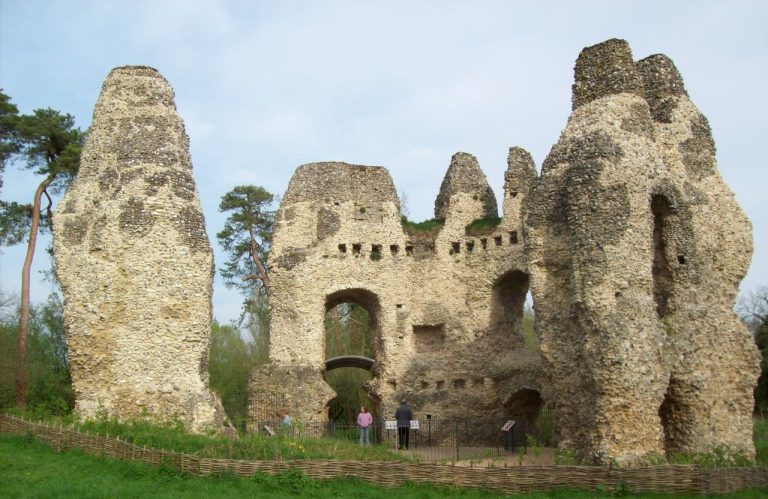
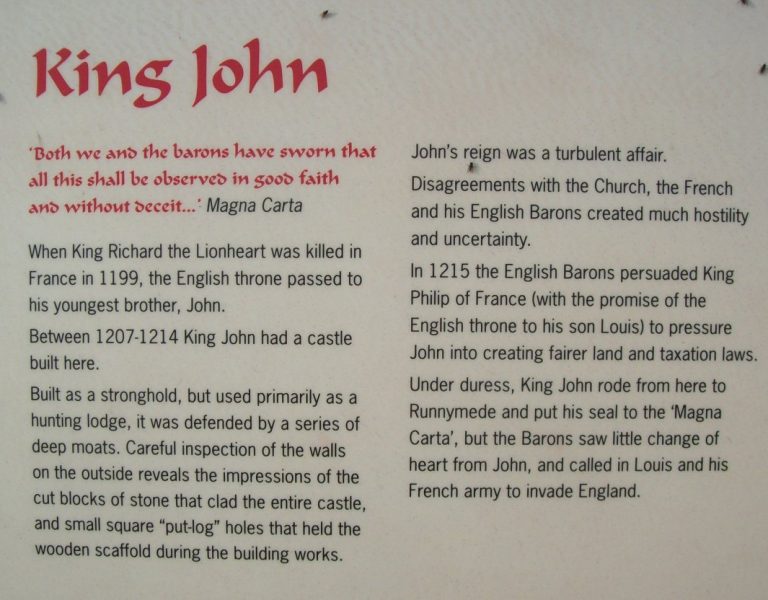
In the Saxon and early Norman periods, Odiham served as an important royal estate, reflected in its multiple churches and early administrative role. King John founded nearby Odiham Castle in the early 13th century on the River Whitewater, using the site as a royal residence and strategic base. From here he travelled in 1215 to Runnymede for the meeting that produced Magna Carta, tying the village to a landmark moment in English constitutional history.
During the Middle Ages Odiham developed as a market centre for surrounding villages, trading wool, timber, hops and later bricks, tiles and leather goods, and many medieval timber-framed buildings still line its High Street. The 18th‑century Basingstoke Canal and, in the 20th century, RAF Odiham added further military and transport significance, while today the village is known for its historic streetscape, canal- and castle-side walks, and well-preserved rural character.